


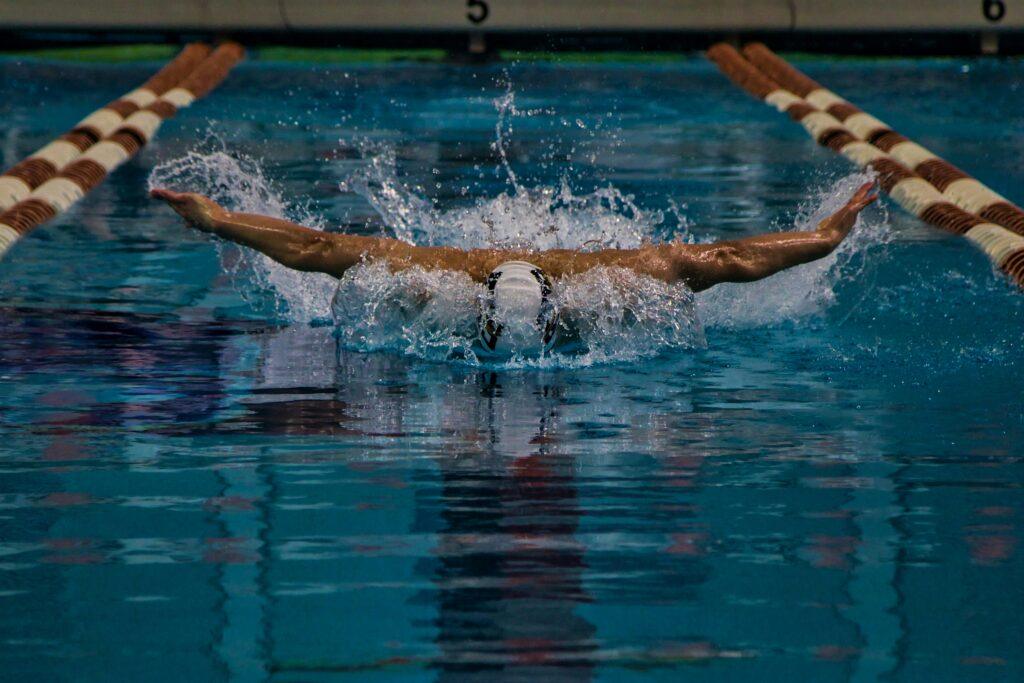
Michael Phelps is the most decorated Olympian in history, with 28 medals, 23 of them gold. Behind his legendary career lies a challenge that shaped his journey: ADHD (Attention-Deficit/Hyperactivity Disorder). His story is not just about breaking records; it shows how struggles with focus, restlessness, and self-doubt can become exceptional achievement.
Early Struggles With ADHD
As a child, Michael Phelps didn’t appear destined for greatness. In his memoir No Limits: The Will to Succeed, he described himself as “scrawny,” self-conscious, and frequently mocked by classmates. He spoke too fast, avoided eye contact, and found it nearly impossible to sit still in school.
One of his teachers even told his mother, “Your son will never be able to focus on anything.”
This restlessness caused problems at school and at home. Phelps acted out to get attention, once turning on all the gas burners in science class to annoy his peers. His parents’ divorce also left him unsettled and searching for stability.
Discovering Swimming as an Outlet
Phelps found his outlet in swimming. Encouraged by his mother and inspired by his sisters, he reluctantly joined a nearby swim club. At first, he hated it, later admitting to “screaming, kicking, goggle-tossing hate.”
Once he learned to swim, the water became his safe space. Unlike the classroom, the pool gave him order and concentration. His ADHD did not disappear, but it was channeled into something positive.
By sixth grade, Phelps was officially diagnosed with ADHD. He could not sit through a lesson without fidgeting, but he could swim for hours, pouring his energy into training. His mother noticed the difference and supported his new passion, driving him to practices and competitions.
Coaching and Discipline
At age 11, Phelps began At age 11, Phelps began training with coach Bob Bowman, who quickly recognized his potential. Bowman’s strict, demanding style clashed with Phelps’s jokester personality, but he knew how to direct Phelps’s ADHD traits, turning hyperactivity into endurance and impulsivity into competitive fire.ified for his first Olympics. From there, his career skyrocketed: every Summer Olympics since, he has added to his medal count, locking in his place as one of the greatest athletes in history.
Beyond the Pool
Retirement did not slow Phelps. Through the Michael Phelps Foundation, he promotes water safety, swimming programs, and healthy living for over 15,000 children worldwide, including those with ADHD and learning differences.
For Phelps, swimming was not just a sport; it was a lifeline. It gave him the outlet, focus, and discipline that school could not, proving that ADHD is not a limitation but a difference that can be harnessed for greatness.
Key Takeaway
Michael Phelps’ journey shows that ADHD does not define a child’s future; it can be the spark that fuels success. With the right assistance, structure, and outlet, children with ADHD can channel their energy into achievement, just as Phelps turned his restlessness into Olympic gold.
About the Author
Dr Hatem El-Emam is a GP with a special interest in ADHD and co-founder of ADHDX, a digital platform focused on education and compassionate care for individuals with ADHD. He is an advocate for early identification and management of ADHD, and firmly believes that with the correct understanding and proper support, ADHD energy and creativity can be turned into a strength.
References
(July 22, 2024). Michael Phelps. Anadolu Agency. https://www.aa.com.tr/en/sports/us-swimmer-michael-phelps-summer-olympics-king-of-medals/3282575
(n.d.). IM Program – Michael Phelps Foundation. Michael Phelps Foundation. https://michaelphelpsfoundation.org/im-progra